Conditional Belonging: The Racialization of Iranians in the Wake of Anti-Muslim Politics
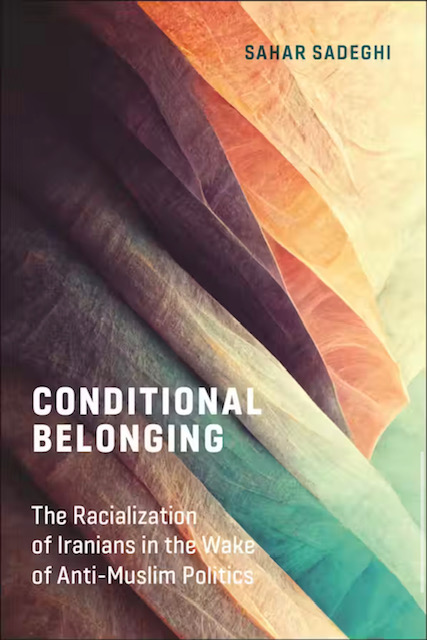
In her book Conditional Belonging (2023), Dr. Sadeghi details Iranians’ complex and contradictory relationship with race and belonging through a comparative analysis of the Iranian experience in the United States and Germany, focusing particularly on the immigrants’ different processes of racialization.” She explored the place of Iranians in the United States and Germany – in the context of critical international events. Sadeghi details how geopolitical arrangements, asylum, refugee and immigration policy, and racial citizenship shape Iranians’ quality of life and narrations of belonging and identity. Specifically, how have the Iranian Revolution of 1979, 1980 Hostage Crisis, the 2010 International Sanctions, 2015 Refugee Crisis in Germany, 2016 Iran Deal, the Presidency of Donald Trump, the 2017 Executive Ban on Immigration and Travel aka “Muslim Ban,” and the recent de-certification of the Iran Deal produced a climate that persistently racializes and politicizes Iranian communities in the US and Germany.
Praise for Conditional Belonging:
“Conditional Belonging is a serious, timely contribution to scholarship on the racialization and migration experiences of Iranians. By providing the first in-depth, comparative analysis of Iranian immigrants in the United States and Germany, Sahar Sadeghi deepens our understanding of national and cultural membership in both societies. Clear, readable, and effective, this is an important book that answers the call for a more global and comparative Iranian diaspora studies” ~Neda Maghbouleh, author of The Limits of Whiteness
“A beautifully written study with rich testimonial data and … a major contribution to studies on racialization, Muslims, and the Iranian diaspora.” ~American Journal of Sociology
“Conditional Belonging is a brilliant, piercing ethnographic portrayal of how first-and second-generation Iranians in the United States and Germany navigate the complexities of racialization while struggling to gain full recognition and social belonging—without ever quite succeeding. Gripping first-hand accounts reveal how race-based nationalism continues to inform the social order in liberal, democratic states and amplify the sidelining of so-called foreign others. This timely book is a must-read for understanding both the visible and hidden racial projects that undermine collective commitments to unconditional inclusion and equality.” ~Manata Hashemi, author of Coming of Age in Iran
“Conditional Belonging demonstrates the ways in which empire (US) and racial nationalism (Germany) operate to situate Iranians as perpetual foreigners, including among the linguistically and culturally adept second generation and the most socially integrated of immigrants. Sadeghi’s fine attention to empirical detail shows us how these variations play out and how the rise of white nationalism in both countries has produced new yet divergent strategies of resistance.” ~Louise Cainkar, author of Homeland Insecurity
Current Research:
Most recently, Dr. Sadeghi returned to Germany as a visiting fellow at the Berlin Institute for Empirical Integration and Migration Research (BIM) to begin an in-depth ethnographic project that examines how the city of Berlin has experienced and responded to the 2015 global displacement crisis over the past 10 years. This research began with exploring questions like “what sort of infrastructure has been built in Berlin? What has really mattered on the ground?” Furthermore, “what role do volunteers and local organizations play in the resettlement and integration of refugees?”
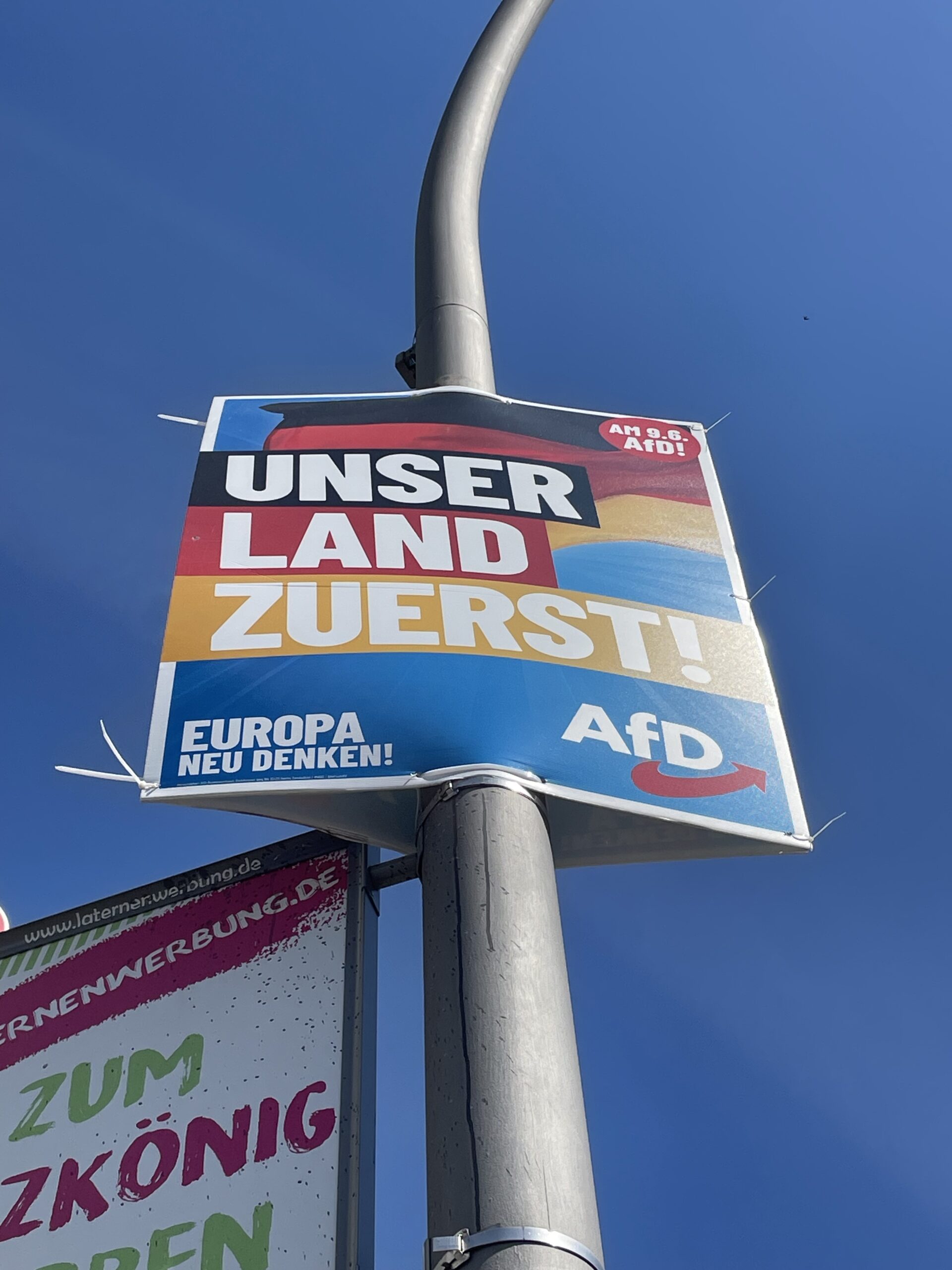
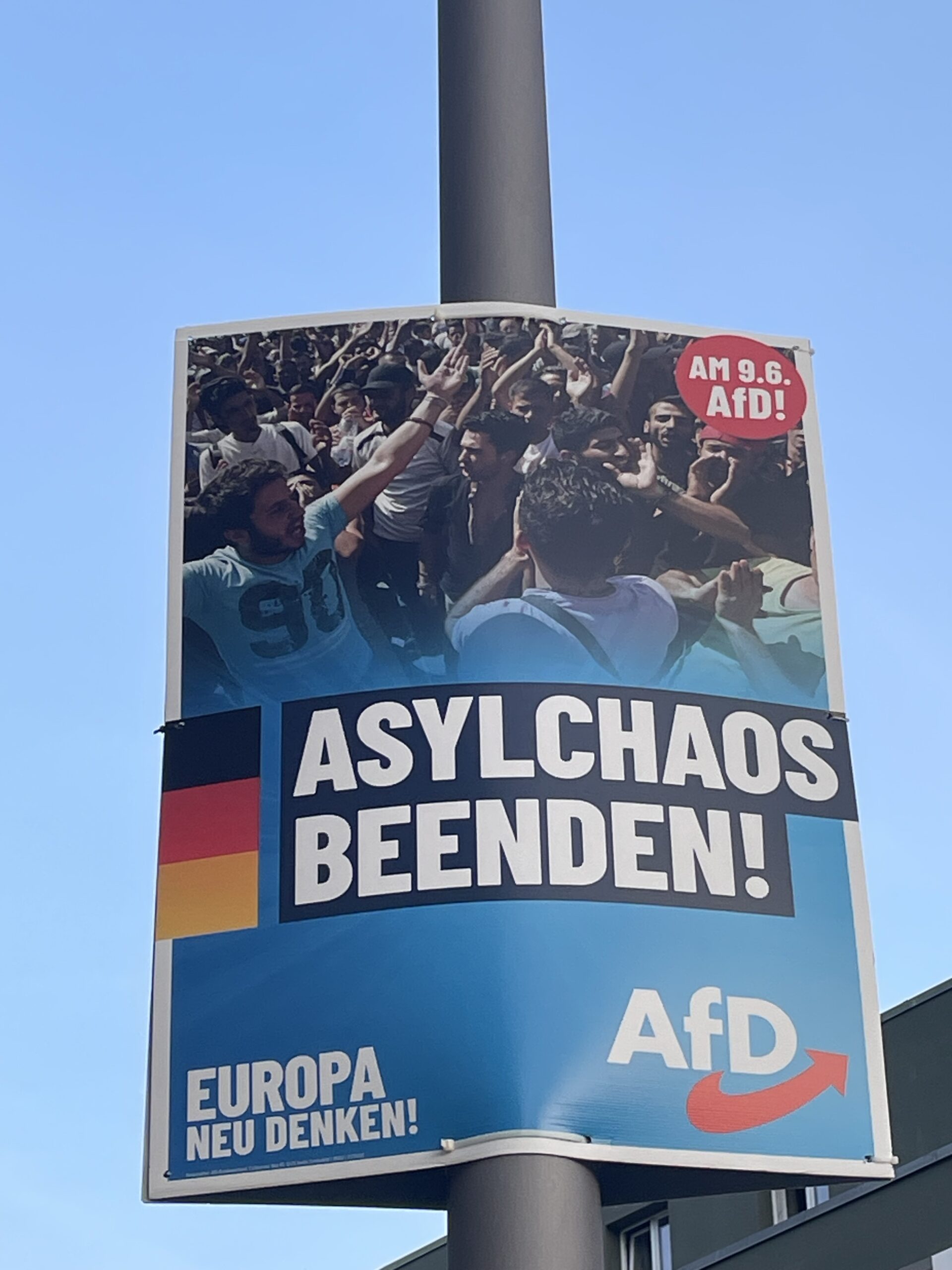
Through over 60 in-depth interviews and extensive ethnographic research conducted over 15 months between the years of 2024-2026, Sadeghi explores the role of a number of actors and institutions, including state officials, civil society organizations, advocacy groups, and volunteer groups in the resettlement and integration of refugees the past 10 years in Berlin. She is also investigates how a decade later, in the larger context of the rise of the AfD, German far-right populism, calls to fortify European borders (GEAS), and growing political and social landscape and climate that she describes as “es geht nicht” and “everybody must go” affecting the lives of refugees and the work of organizations that work with refugees.
Ultimately, how does this shift from a “wir schaffen das”, “welcoming society” to one that is increasingly claiming “es geht nicht” affect and hinder integration in cities like Berlin?


Media Appearances:
https://www.latimes.com/california/story/2020-02-29/iranian-voter-diversity-california-primary
BBC Persia:
“Fact-checking: How did misleading news about Afghan immigrants’ crimes become hot in Iran?”
